
Exploring the historical evolution of gambling practices through the ages
The Ancient Roots of Gambling
The origins of gambling can be traced back to ancient civilizations, where it served both recreational and social purposes. In Mesopotamia around 3000 BC, people used dice made from bones to engage in games of chance. This early form of gambling laid the groundwork for future practices. The Egyptians also participated in gambling, often playing with a variety of games that involved betting on the outcomes of events. Such activities not only provided entertainment but also fostered community interaction.
As society advanced, gambling began to intertwine with various cultural practices. The Romans, for example, embraced gambling in their society, particularly through dice games and betting on gladiatorial contests. The notion of risk and reward became ingrained in their culture, showcasing how gambling was not merely an escape but a reflection of social dynamics and hierarchies. The wide acceptance of gambling during this period contributed to its normalization, influencing how subsequent generations viewed this practice.
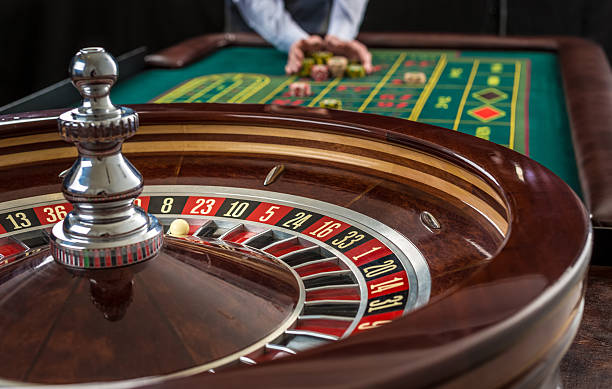
Religious texts from various cultures, including the Bible, reference gambling, often portraying it as both a vice and an inevitable part of human nature. The duality of its perception showcases the tension between morality and the allure of chance. This historical backdrop set the stage for the evolution of gambling into a more organized activity, paving the way for the emergence of betting houses and eventually, casinos.
The Middle Ages and the Rise of Organized Gambling
During the Middle Ages, gambling underwent significant transformations, notably due to the influence of the Church, which sought to regulate and often condemn such practices. Despite this, gambling persisted in various forms, particularly through card games and dice. The introduction of playing cards in the late 14th century revolutionized gambling, making it more accessible and appealing to the masses. These games eventually led to the establishment of early gambling houses, where individuals could gather to participate in gaming activities.
The Renaissance era marked a turning point, as gambling became intertwined with the emergence of a more affluent society. The proliferation of gambling houses in cities across Europe signified its growing acceptance. The games became more sophisticated, reflecting advancements in artistry and design. Not only did this period see the formalization of rules in card games, but it also heralded the introduction of betting on horse races, which gained immense popularity among the upper class.
While gambling faced challenges, including various legislative attempts to curtail its prevalence, it remained resilient. Governments began to recognize the potential revenue from regulated gambling activities, leading to the establishment of state-sponsored lotteries. This shift illustrated a broader acceptance of gambling as a legitimate source of income while continuing to shape societal attitudes towards risk-taking and chance.
The Industrial Revolution and the Modern Casino
The Industrial Revolution brought profound changes to gambling, particularly with technological advancements that revolutionized the gaming experience. The introduction of mechanized gaming machines in the late 19th century, such as the one-armed bandit, transformed how people engaged with gambling. These machines made it easier for the masses to participate, democratizing access to gambling and leading to the establishment of Las Vegas as a gambling mecca in the 20th century.
As the 20th century progressed, gambling evolved further with the rise of organized crime, particularly during the Prohibition era in the United States. Speakeasies often included gambling as a means to attract clientele, blending entertainment with illicit activities. However, as attitudes towards gambling softened, governments began to regulate and legalize various forms of gambling, leading to a resurgence of casinos, particularly in Nevada, which became synonymous with gambling culture.
Additionally, the introduction of television in the mid-20th century changed the landscape of gambling. Game shows and televised poker tournaments popularized the notion of gambling as a spectator sport, further embedding it into popular culture. This era solidified the casino as not just a place to gamble but as an entertainment hub, attracting tourists from around the globe. The intersection of gambling with media significantly contributed to its mainstream acceptance.
The Digital Age and Online Gambling Revolution
The advent of the internet in the late 20th century marked a new chapter in the evolution of gambling. Online casinos emerged, offering players the convenience of gambling from their homes. This digital transformation expanded the scope of gambling significantly, allowing for a broader range of games and the ability to play at any time. The rapid growth of technology facilitated secure payment methods and the development of user-friendly platforms, making online gambling a booming industry.
Moreover, the proliferation of mobile technology has further revolutionized gambling practices. Today, players can access their favorite games via smartphones and tablets without the need for dedicated apps. This shift has led to the rise of mobile casinos, significantly impacting how people engage with gambling. With the ability to play on-the-go, a new demographic has entered the gambling sphere, showcasing the adaptability of gambling practices to technological advancements.
The integration of live dealer games has also bridged the gap between traditional casinos and online platforms. Players can now experience the thrill of interacting with real dealers in real-time, enhancing the social aspect of online gambling. This innovation highlights the ongoing evolution of gambling practices, as technology continues to redefine how players experience and interact with games, solidifying the industry’s growth.
The Future of Gambling: Innovations and Ethical Considerations
As gambling continues to evolve, the future promises to bring even more innovations. Developments in virtual reality and augmented reality could create immersive gambling experiences, allowing players to step into virtual casinos from the comfort of their homes. These technologies have the potential to transform how games are played and experienced, offering new levels of interactivity and realism.
However, with the rapid growth of the gambling industry come ethical considerations. As technology makes gambling more accessible, concerns regarding addiction and responsible gaming have become increasingly prominent. Regulations are being developed to promote safe gambling practices, highlighting the importance of balancing innovation with responsibility. The industry is facing scrutiny to ensure that advancements do not come at the expense of player welfare.
Additionally, the global landscape of gambling regulation is shifting, with more countries considering legalizing and regulating online gambling. This trend reflects changing societal attitudes towards gambling and the recognition of its potential economic benefits. As the industry continues to adapt, navigating the complex interplay between technology, regulation, and ethical considerations will be crucial for its sustainable growth.
Dudespin Casino: A Modern Gambling Experience
Dudespin Casino epitomizes the evolution of gambling in the digital age, offering a comprehensive platform for players in Canada. With an extensive library of over 9,400 games, including slots, table games, and live dealer options, it showcases the advancements in technology that have shaped modern gambling. The seamless mobile experience allows players to access their favorite games without downloading an app, underscoring the convenience that today’s technology provides.
The casino’s commitment to security and responsible gaming ensures that players can enjoy an engaging experience while prioritizing their well-being. Featuring secure payment methods and 24/7 customer support, Dudespin has positioned itself as a reliable choice for online gaming. The enticing welcome bonuses and promotions enhance the overall experience, making it an appealing option for both new and seasoned players alike.
As the gambling landscape continues to evolve, Dudespin Casino stands at the forefront of this transformation. By embracing technological advancements and prioritizing user experience, it reflects the dynamic nature of gambling practices. Players can explore an engaging environment that not only meets their gaming needs but also aligns with the responsible and innovative ethos shaping the future of gambling.